Camino de Santiago – Day 9 from Sarria to Portomarin

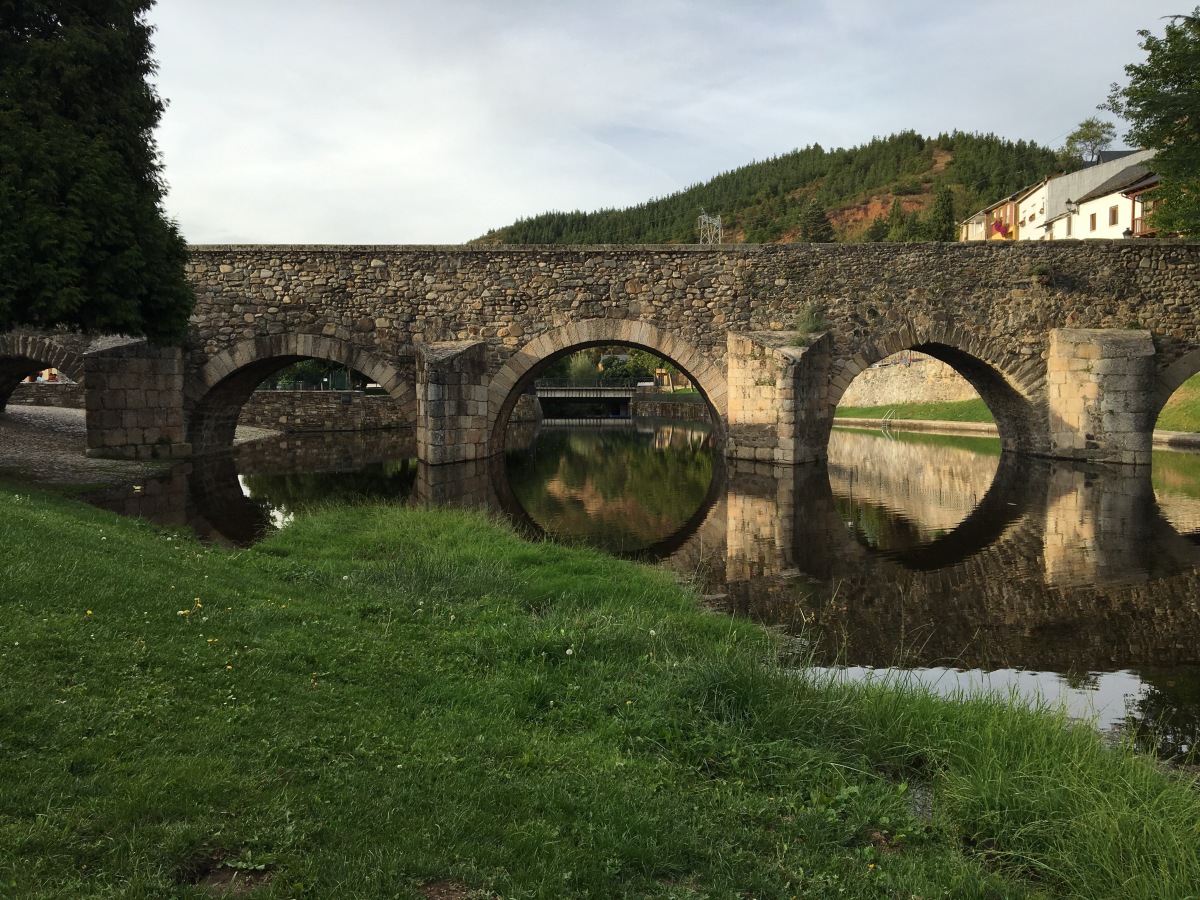
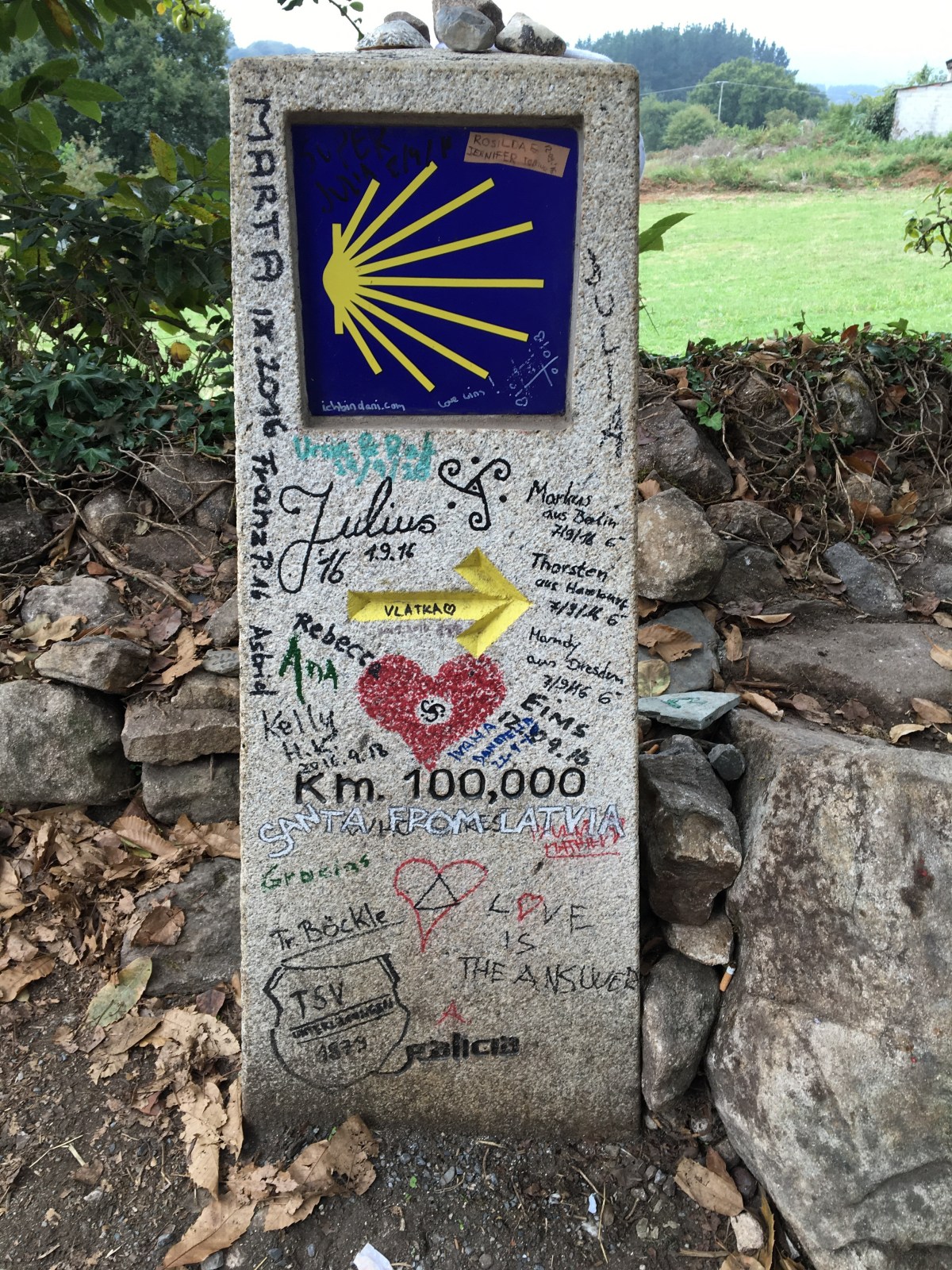
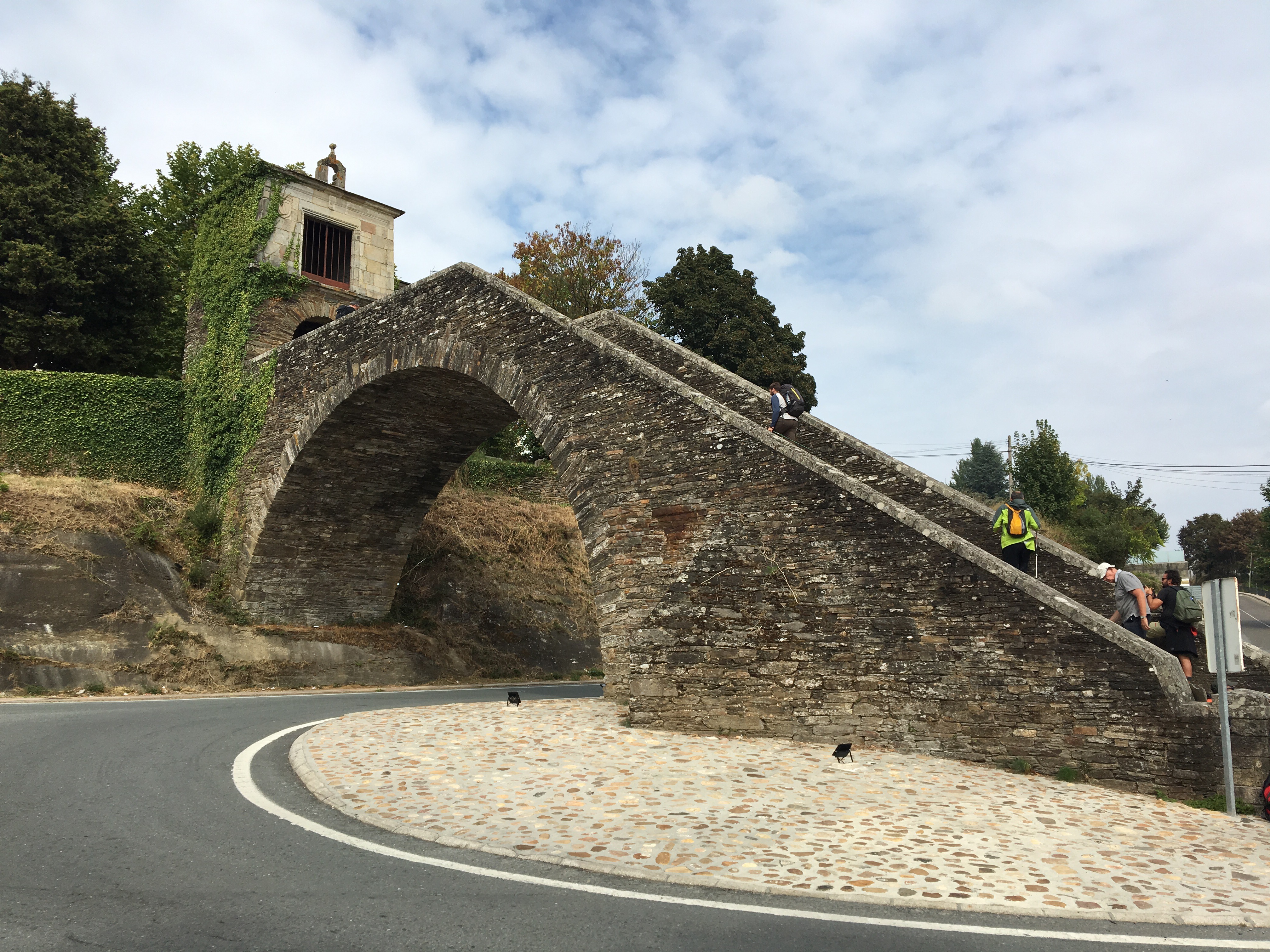
Giorno #9 del camino. La tappa non è delle più pesanti, tra brevi salite e discese e gentili abitanti che mettono a disposizione dei pellegrini frutta acqua e vino di casa in cambio di una piccola offerta. E poi la pietra miliare dei 100km da Santiago; noi ne abbiamo visto due, chissà qual’è quella reale. Quello che è reale sono certamente le frittelle offerte da una gentile signora di una campana nelle vicinanze. Lungo il tragitto ci siamo imbattuti diverse volte in greggi di pecore, capre e soprattutto grosse mucche con cui non ci si scontra tutti i giorni per strada. La meta del nostro viaggio è Portomarin un paese dalla storia molto interessante, originariamente costruito accanto al ponte romano sul fiume Mino, abbattuto e ricostruito nel medioevo per poi essere completamente sommerso negli anni 60 a causa della costruzione della diga di Balesar. I monumenti più importanti, come la chiesa e la porta di accesso sono stati smontati e numerati mattone per mattone per poi essere ricostruiti sulle pendici del monte adiacente alla diga, se si guarda la facciata della chiesa è ancora possibile riconoscere i numeri scolpiti sulle pietre per permetterne la ricostruzione. L’accesso al paese è anche uno tra i più pittoreschi del cammino, prima di tutto si deve attraversare un angusto tratto in discesa molto pericoloso e scivoloso, si passa sul nuovo ponte che attraversa la diga a decine di metri altezza (perfetto per chi soffre di vertigini)e si sale un ponte a scalinata che sovrasta una moderna rotonda stradale (anziché un fiume) per entrare i paese dalla porta di accesso. Il paesino non è dei più belli, risalente al 1963, ma la sua storia ne vale la pena per visitarlo. Il nostro gruppo di viaggio, si è diviso a causa di qualche problema di tendinite di alcuni di noi che hanno preferito avere un giorno intero di riposo, ma è stata una bella sorpresa incontrare Francisco una delle persone che abbiamo incontrato al nostro primo pernottamento e poi perso per qualche giorno sul cammino. Animo! Santiago è a meno di 5 giorni di cammino.

——-

Stage#9 of the camino. This stage is not very heavy, including short climbs and descents and gentle people who provide the pilgrims fruit water and wine of the house in exchange for a small donation. Aldo the milestone of 100km distance from Santiago is part of today photoalbum, we have seen two of This molestones…who knows what the real one is? What we will certainly remember are the delicious pancakes offered by a lady of a house in the vicinity of the way. Along the way we came across several times in flocks of sheep, goats and especially big cows to make our path more exciting. Target of our trip is Portomarin a town of interesting history, originally built next to the Roman bridge over the River Mino, demolished and rebuilt in the Middle Ages until it was completely submerged in the 60s due to the construction of the Balesar dam. The most important monuments, such as the church, the entrance to the city were removed and numbered brick by brick and then rebuilt on the slopes of the mountain adjacent to the dam, if one looks at the facade of the church is still possible to recognize the numbers carved on the stones to allow the reconstruction. The access to the town is one of the most picturesque you will meet on the way, first of all you have to cross a narrow stretch in very dangerous and slippery descent, you pass on the new bridge across the dam at tens of meters of height (perfect for those who suffer of heights) and climb stairs of a bridge overlooking a modern road roundabout. The village is not the most beautiful, but its history it’s worth a visit. Our travel group was split today due to some tendinitis problem of some of us who like to have a day of rest, but it was a nice surprise to meet Francisco one of the people we met on our first night and then lost for a few days on the path. Animo! Santiago is less than 5 days of walking.
Camino de Santiago – Day 8 from Fonfria to Sarria

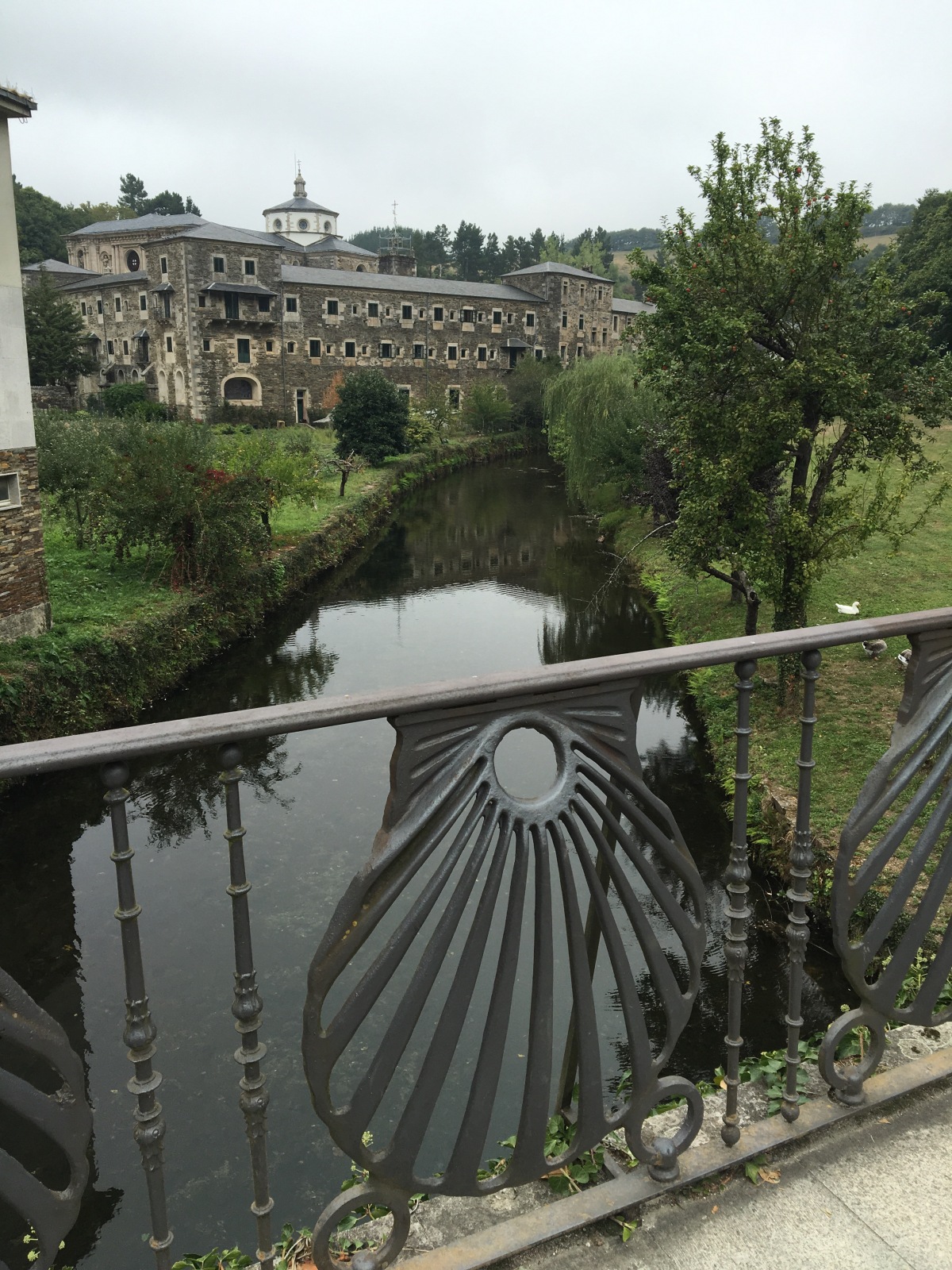
Day #8 del cammino da Fonfria a Sarria, passando per il paese di Samos e il suo bellissimo monastero incastonato tra le colline di campagna. È una giornata di nebbia che rende l’atmosfera quasi mistica come camminare in un sogno tra sentieri dispersi nella vegetazione e piccoli borghi di pastori con i cani a guardia delle case. A quanto pare la zona è popolata da qualche orso, quindi è sempre buono che qualche cane sia pronto a fare la guardia. Facciamo poche soste per poter raggiungere prima Samos per ora di pranzo e poi proseguire per Sarria,durante il viaggio mangiamo qualche mela da un albero che sporge sui sentieri e le more che ormai sono presenti dappertutto sul cammino. Siamo stati del tutto rapiti dalla bellezza del Monastero di Samos, se non fosse per quegli affreschi degli anni 50 fatti al primo piano del chiostro…

La sera arriviamo a Sarria, il posto da cui la maggior parte dei pellegrini inizia il suo cammino, siamo a circa 100km da Santiago, ed è proprio 100km la distanza media da coprire a piedi per ricevere il riconoscimento della Compostela una volta arrivati a Santiago. Abbiamo ormai superato più della metà del nostro cammino.

——

Stage # 8 of the camino from Fonfria to Sarria, passing through the village of Samos and its beautiful monastery nestled between the hills of the countryside. It is a foggy day which makes the atmosfere quite mystical like walking into a dream of trails scattered in the vegetation and small villages of shepherds with dogs guarding the houses. Apparently the area is populated by a few bears, so it is always good that a dog is ready to stand guard. We make a few stops to be able to reach Samos for lunch time and then continue to Sarria. We eat apples from a tree sticking out on the trails and blackberries which are now present everywhere on the road. We were totally overwhelmed by the beauty of the monastery of Samos, of it wouldn’t be for the frescoes of the 50’s put on the first floor of the cloister …In the evening we arrive in Sarria, the place from which the majority of the pilgrims began her journey, we are at about 100 km from Santiago, and it is 100km the minimum distance to cover on foot to receive the recognition of Compostela once you are in Santiago. Half of the Camino is over.

Camino de Santiago – Day 7 from la Herreria to Fonfria

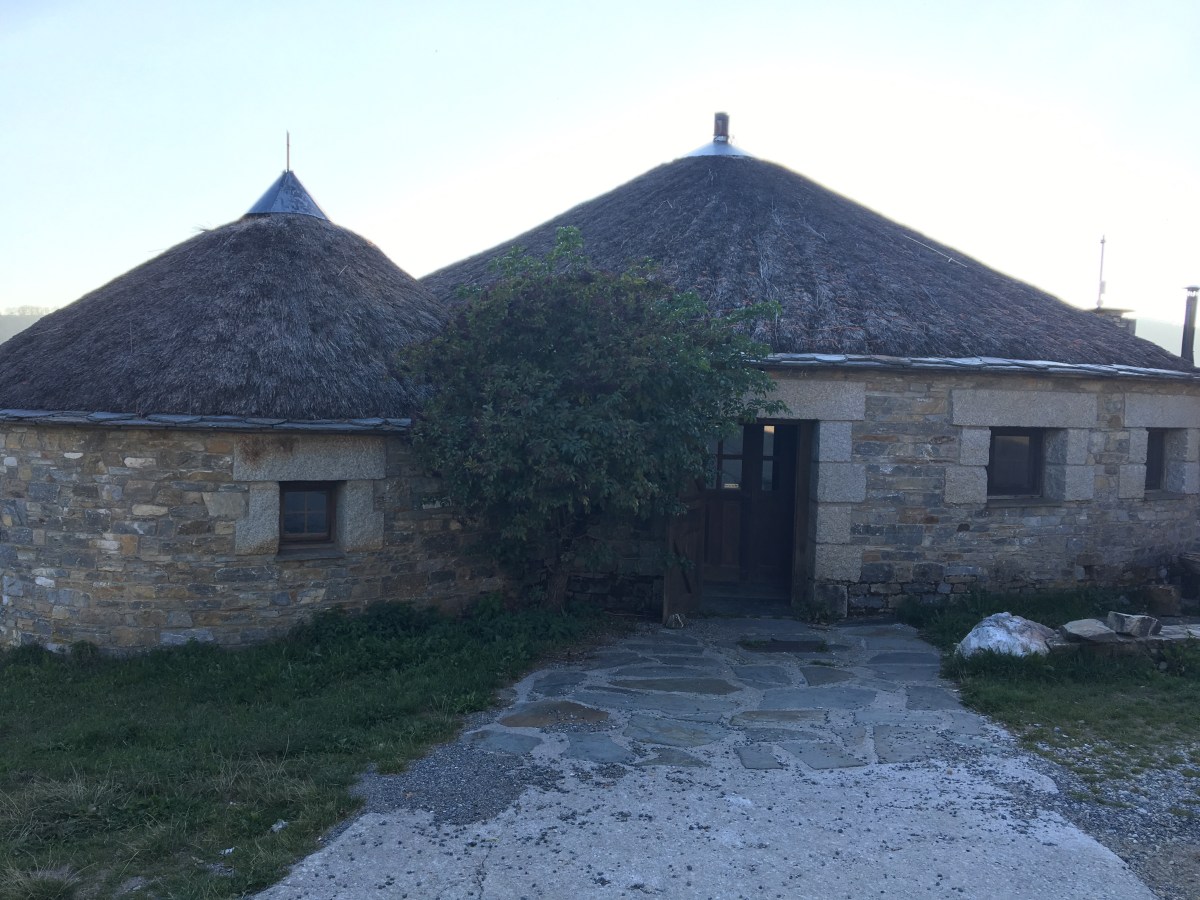
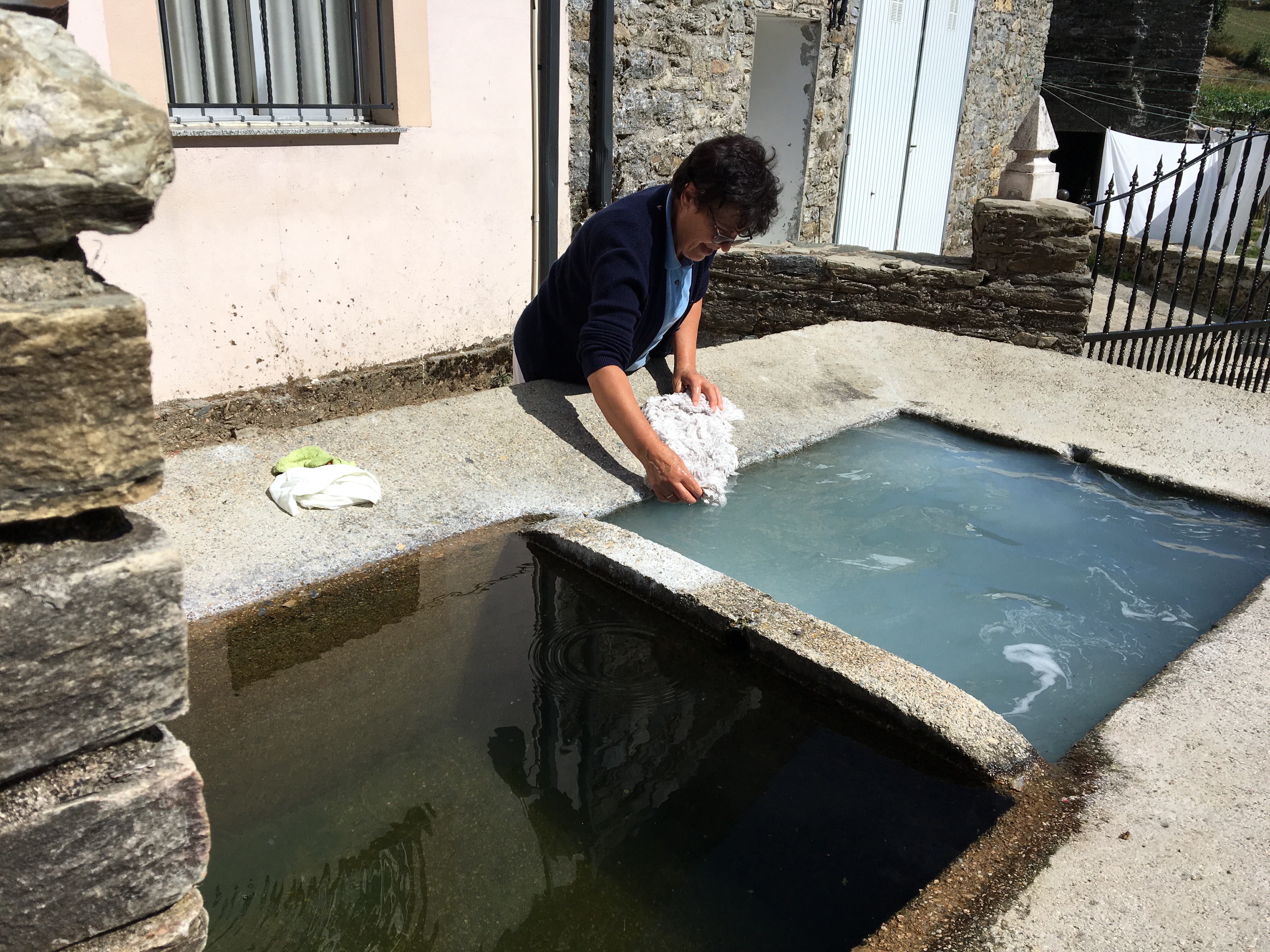
Giorno #7 da la Herreria a Fonfria. Sembra che la parte più difficile del cammino sia giunta al termine, dopo la salita ripida per raggiungere la cima della montagna a o Cebreiro ed entrare in Galizia. Soprannominerei questa come la tappa delle galline e le mucche, perchè se ne incontrano tante lungo i sentieri attraversando piccole masserie e aziende agricole. Come capitato nelle precedenti tappe, anche qui facciamo un salto nel passato fermandoci ad una fontana per rifrescarci dal Caldo degli ultimi km, mentre una signora stava lavando i panni all’aperto nell’acqua della fontana. Qui la tecnologia non sembra indispensable a prova che si puo vivere bene anche senza. Completiamo la nostra tappa all’Albergue Reboleira, ricavato all’interno di una delle vecchie abitazioni della galizia , con i tetti circolari ricoperti di rametti di legno al posto delle tegole. Mangiamo il miglior Caldo Gallego fino ad ora assaggiato e uno spezzatino di vitello al quale nessuno sa resistere. Tutto esclusivamento preparato con ingredienti del luogo coltivati e allevati a non più di 500m di distanza. Finiamo la serata al suono della chitarra di Francis che ci ridà la carica per continuare il nostri cammino domattina.

——

Stage # 7 from the Herreria to Fonfria. It seems that the most difficult part of the journey has come to an end, after the steep climb to the top of the mountain at o Cebreiro trepassing the border to Galicia. This is the stage of the hens and cows, since we met a kit of the in our trip of today walking through small farms. As happened in the previous stages, here ad well we take a step back in time stopping at a fountain to refresh ourselves from the heat of the day, meeting a woman washing clothes at the fountain. Here the technology is not essential and it is easy to prove that you can live well without it. Our trip ends  at th Albergue Reboleira, housed in one of the old galician houses with circular roofs covered with wooden sticks instead of tiles. The Caldo Gallego eat the best so far and a stew to which no Stage # 7 from the Herreria to Fonfria. It seems that the most difficult part of the journey has come to an end, after the steep climb to the top of the mountain or in Cebreiro and get into Galicia. soprannominerei this as the stage of the hens and cows, because they meet so many long insentieri through small farms and farms. As happened in the previous stages, here we take a step back in time stopping at a fountain for rifrescarci in which a woman was washing clothes. Here the technology is not essential to prove that you can live well without it. We conpletiamo our destination all’albergue Reboleira, housed in one of the old houses of the place with circular roofs covered with wooden sticks instead of tiles.The Caldo Gallego of the Pelegrino Menu is the best so far and a stewed meat is something no one can resist. All absolutely prepared with local ingredients grown and picked no more than 500m away from the Albergue. We end the evening with the sound of the guitar played by Francis who gives us some relaxing moment to prepare the walk of tomorrow 

Camino de Santiago – Day 6 from Villafranca to La Herrerias

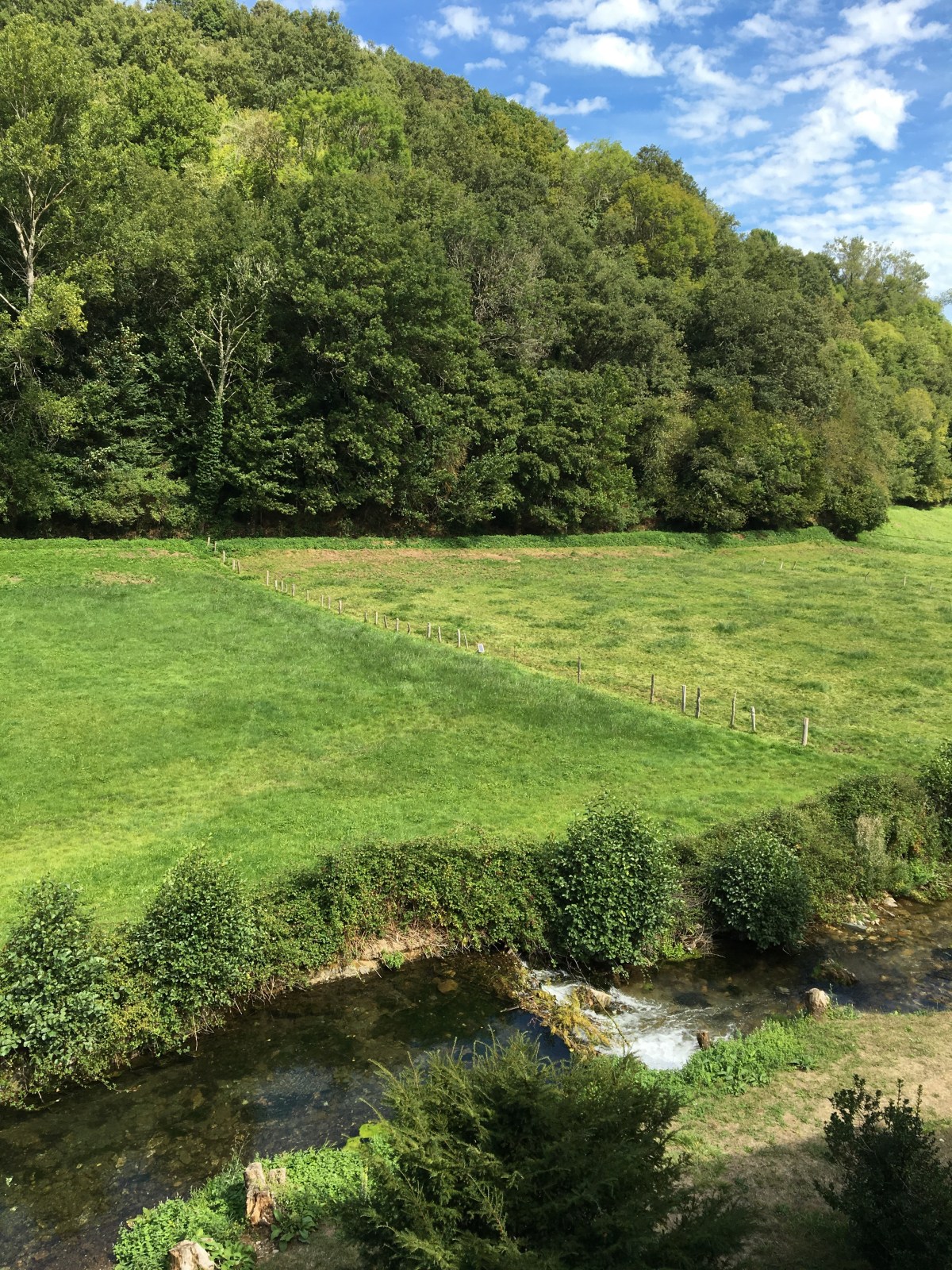
Giorno # 6 del camino, il per peso da Villafranca a La Herreria è in leggera salita per 21 km. Il dolore ai muscoli e tendiniti varie non mancano, ma la motivazione è più grande, alimenatata da un meraviglioso paesaggio di montagna fatto di campi verdi, mucche al pascolo, lo sciabordio dell’acqua di fiumi e ruscelli e il calore degli abitanti dei piccoli villaggi che attraversiamo a piedi. Lungo il percorso si incontrano e conoscono nuove persone ogni giorno. Il camino sembra una metafora della vita con nuove conoscenze, persone che incontrano di nuovo dopo giorni di cammino e quelle che non si incontreranno mai più. E’ come vivere una dimensione unica al massimo e in ogni momento. Ogni persona è un tesoro da scoprire. Si chiacchiera e ci si apre come se ci si conoscesse da anni. La mente è sempre più leggera e staccata dal corpo, il lungo viaggio e la natura meravogliosa intorno a noi aiutano a trovare una dimensione di sconosciuta tranquillità.

——-

Day # 6 of the Camino, the way from Villafranca to La Herreria goes slightly uphill for 21km, the pain in the muscles and various tendinitis is not lacking but the motivation is greater, nurished by the mountain landscapes, beautiful green fields, cows grazing, the lapping of the water and the warmth of the inhabitants of the small villages we cross during our walk. Along the way one get to meet and know new people every day, the way seems a metaphor for life encountering interesting people with their life experience, meeting some of them after several days of Camino and knowing that probably you’ll never meet again some others. It is like like living a unique dimension at its best. Every person is a treasure to discover. It comes very easy to chat and open your heart and mind to the other pelegrinos as if you knew your walking companions for years. The mind feels lighter and lighter and detached from the body, the long journey, wonderful nature and the atmosphere of small medieval churches help in finding a kind of unknown tranquility.

Camino de Santiago – Day 5 from Molinaseca to Vilafranca del Camino

Tratta #5 del camino, ogni giorno sembra più pesante anche le tappe che sembrerebbero più semplici risultano essere difficoltose, è difficile alzarsi dal letto la mattina presto, ma una volta in cammino le gambe vanno per inerzia. Incontriamo i nostri amici di viaggio per iniziare la tappa alle prime luci dell’alba con la nebbia che risale sulle colline e un freddo che ci entra nelle ossa. Durante il tragitto, ci si separa, ci si ferma in posti diversi, magari a visitare una chiesa per ricevere il timbro più bello sulla credenziale per poi incontrarsi di nuovo durante una pausa a immergere i piedi in uno dei tanti fiumi che costeggiano il cammino o la sera stanchissimi in ostello per cena. La tappa da Molinaseca a Villafranca inizia in modo leggero senza pendenze esagerate passando per deliziosi paesini come Cacabelos e Camponaraya con le loro chiesette medievali e le strade colme di persone vestite per bene che vanno alla messa della Domenica per poi riunirsi tutti per pranzo nelle piazzette principali. Sembra di tornare per un attimo a 15 o 20 anni fa quando la domenica ci si vestiva bene per andare a messa per poi pranzare insieme ai parenti a casa o al ristorante. È una bella sensazione malinconica che ha caratterizzato questa giornata, un ritorno al passato e all’importanza delle cose semplici della vita a cui non facciamo più caso e a quelle usanze che sono andate del tutto perdute, a quei momenti leggeri che la vita ci propone. Il tragitto che continua da Cacabelos a Villafranca è molto pesante essendo una lunga salita che va a stressare ancora di più le gambe che hanno già percorso 25km. Stasera si dorme all’Albergue la Piedra gestito da dei giovani è molto disponibili ragazzi, ancora una volta ci sentiamo come se fossimo a casa. Ma prima di tutto ci godiamo la nostra cena a base di Pulpo alla Gallega e Cecina de Astorga.

——

Stage # 5 of the camino, each day feels harder, the stages that in the beginning seem easier are indeed difficult, it is hard to get out of bed in the morning, but once on the way your legs go by inertia. We met our traveling friends to start the stage at dawn with fog flowing over the hills and cold that gets into the bones. On the way, we separate, we stop in different places, perhaps to visit a church and receive the most beautiful stamp on our credential and then we  meet again during a break to soak your feet in one of the many rivers that run along the way or for dinner the night at the hostel. The stage from Molinaseca to Villafranca starts light through delightful towns as Cacabelos and Camponaraya through the it medieval streets filled with well dresserai people who go to the Sunday Mass and then all get together for lunch with their families and friends in the main squares. It seems to go back for a while to 15 or 20 years ago when in Sundays we dressed well to go to Mass and then have lunch together with relatives at home or at the restaurant. It is a nice feeling of melancholy that shapes this day, a return to the past and to the importance of the simple things in life that we are no longer used to and of those customs that have been entirely lost, of those relaxed moments that life offers us. The route going from Cacabelos to Villafranca is very step and long stressing the legs that have already traveled 25km. Tonight we sleep at the Albergue la Piedra run by young and very helpful people. Once again we feel as if we were at home. But first of all we enjoy our dinner of pulpo a la Gallega and Cecina de Astorga 

Camino de Santiago -Day 4 from Rabanal to Molinaseca

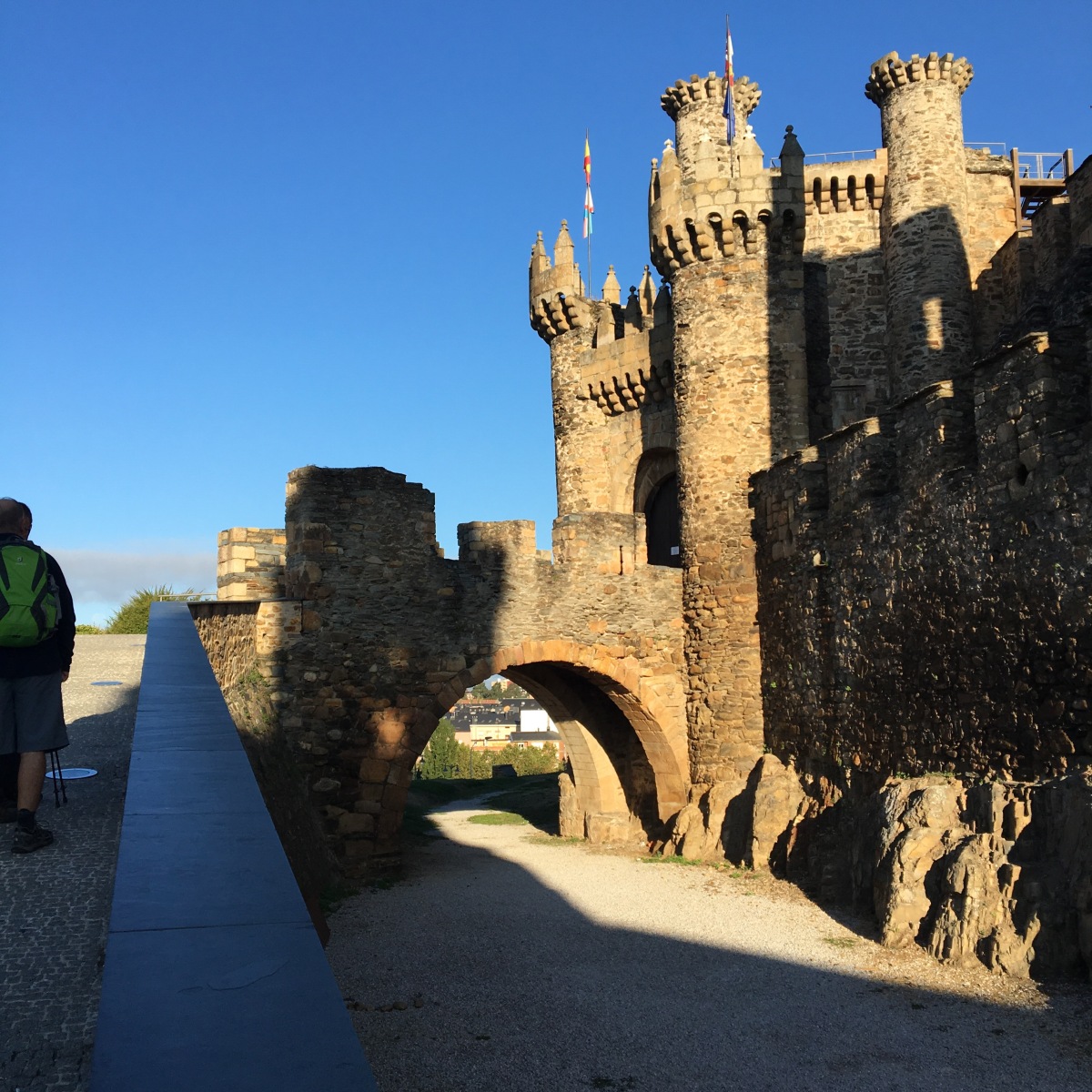
Stage #4 del camino, si comincia a salire fino alla cima del cammino di Santiago a piú di 1500m di altitudine. La salitá è dura per 5km ma fattibile, la discesa che ci spetta dopo lunga quasi 20km è molto più ardua per le nostre ginocchia e la nostra motivazione. Al quarto giorno abbiamo il nostro gruppetto di pellegrini insieme a Francis e Guille e Remi che con il suo cucciolo Lola ci anticipano di circa 5km. La tratta da Rabanal a Molinaseca è molto pesante, tra salite, discese e tratti scoscesi perfetti per far nascere le prime ampolle e tendiniti. Una tappa che sembra non finire mai, passando per la cruz de ferro dove i pellegrini lasciano un peso, una pietra che hanno portato dietro per tutto il cammino a simbolo di un peso che portano nella loro vita di cui desiderano separarsi. È un momento speciale che ci fa pensare. Arriviamo a Manjarin nel rifugio templare che ha più di 1000 anni con bagno all’esterno e in aria veramente medievale. Chissà cosa dovevano provare i pellegrini 10 secoli fa. Durante il cammino si incontrano pellegrini che sembrano aver voltato le spalle alla vita moderna per vivere una vita molto più semplice. Oggi il cammino ci ha messo alla prova e abbiamo dimostrato di non mollare rispetto ai problemi che possono nascere. la sera è sempre un buon momento per conoscere nuove e interessanti persone e scambiare con loro esperienze e Stati d’animo. Abbiamo cenato in compagnia do Bob da Denver con un buon vino di fronte al ponte romano di Molinaseca

——

Stage # 4 of the camino strats climbing to the top of the Santiago route at more than 1500m above sea level. The climb is tough but with a nice view of the surrounding hills for 5km. The descent of almo at 20km is much more tolgo for our knees and our motivation. On the fourth day we have our little group of pilgrims made by Francis and Guille and Remi who with her puppy Lola is faster than us of about 5km. The route from Rabanal Molinaseca is very heavy, between ascents, descents and steep stretches perfect to give start to the first blisters. A stage that never seems to end, passing through the cruz de ferro where pilgrims leave a burden, a stone brought back all the way long as symbol of a burden which one wants to get rid of in his life. It is a special moment that makes us think for some minutes. We get to Manjarin a Templar shelter that has more than 1000 years with bathroom outside and truly medieval atmosphere. Who knows what the pilgrims had to try 10 centuries ago. Along the way we have met pilgrims who seem to have turned their backs on modern life to live a much simpler life. Today the journey has put us to the test and we showed that we do not give up in front of the problems that can arise. The evening is always a good time to meet new and interesting people and share with them experiences and moods, we had the menu del Pellegrino at the Roman bridge of molinaseca with the good company of Bob from Denver enjoying a good wine on front of the wonderful roman bridge:

Camino de Santiago -Day 3 from Astorga to Rabanal Del Camino

tratta 3 del nostro viaggio a santiado de compostela da Astorga a Rabanal del Camino prima di intraprendere la salita di 5km per Foncevadon. Appena usciti da Astorga ci siamo fermati in una piccola chiesetta costruita sopro un pozzo in cui si narra che un bambino che stava affogando venne salvato dalle preghiere della madre che invocava Gesú. Dopo quell’avvenimento l’acqua del pozzo divenne benedetta e oggi i pellegrini ne possono riempire le loro borracce. Forse per l’acqua, forse perchè i nostri miscoli si abituano al cammino, i dolori di ieri si sono affievoliti e se ne sono creati altri. La meta di oggi è Rabanal del Camino, 15 anime in inverno e 40 in estate. Oggi ci spetta un concerto di musica celtica e i canti gregoriani nella chiesa del paese. Un tuffo nella cultura celtica del nord della spagna insieme ad altri camminatori e pellegrini provenienti da tutto il mondo. Tutti come se fossimo una grande famiglia

——

Stage #3 of our trip to Santiago de compostela from Astorga to Rabanal del Camino before starting the 5km climb to Foncevadon. Just out from Astorga we stopped at a small church built on a well where it is said that a child who was drowning was saved by the prayers of his mother, calling upon Jesus. After that incident the well water became blessed and today the pilgrims can fill their water bottles. Because of the water, perhaps because our muscles get used to walking, the pains of yesterday have faded and others have started. Today’s destination is Rabanal del Camino, 15 souls in the winter and 40 in summer. Today it planned a Celtic music concert and Gregorian chants in the village church. A dip dive in the Celtic culture of northern Spain along with other walkers and pilgrims from around the world. All as if we were one big family.

Camino de Santiago -Day 2 from S.Martin Del Camino to Astorga

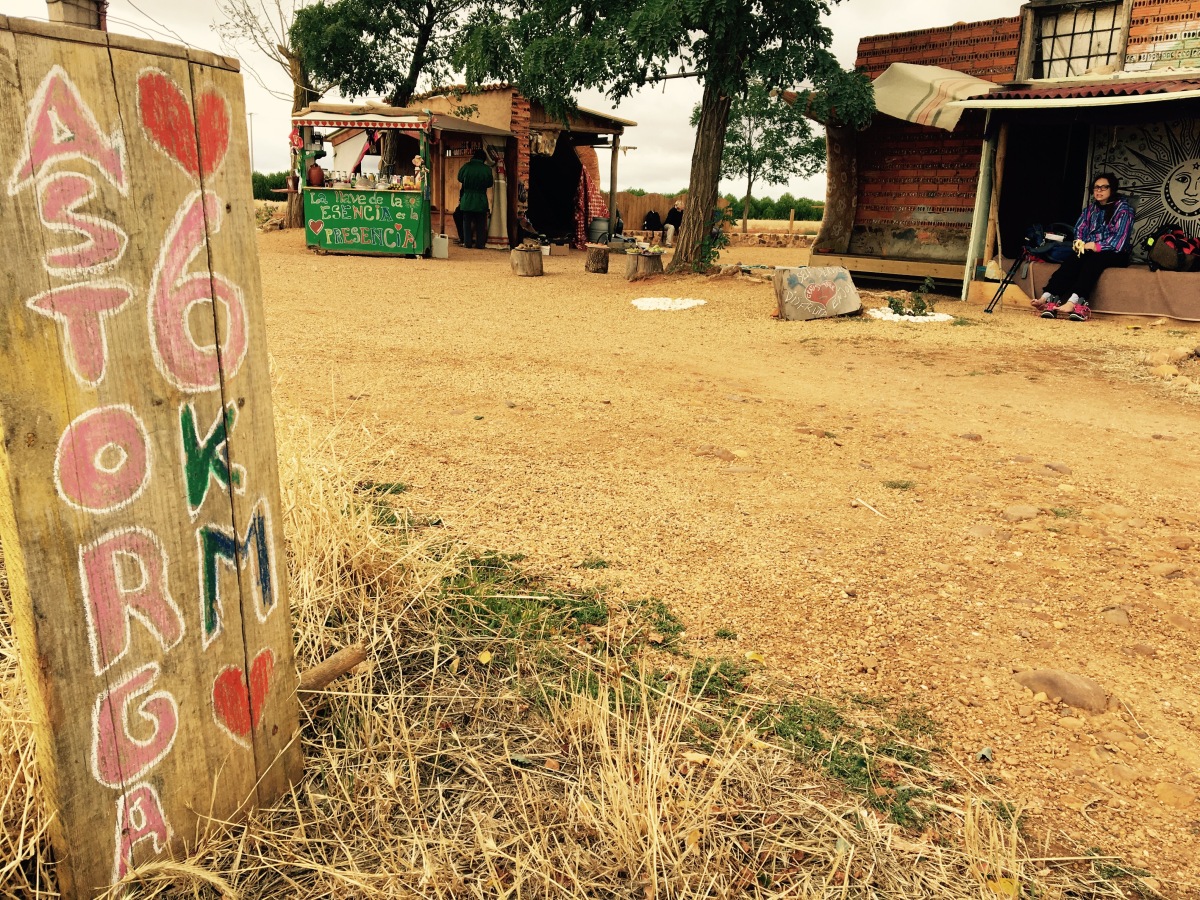
Seconda tratta del cammino da San Martin del Camino ad Astorga. Finalmente il cammino si allontana dalle strade asfaltate e si torna tra le campagne e i boschi vicino a Santibañes de Valdeiglesias e altri paesini tra le campagne. li si attraversa come paesini fantasma ci sono solo i pellegrini e qualhe bar ad offrire ristoro prima di inoltrarsi sulle colline di fronte Astorga tra salite e discese ripide che mettono alla prova la nostra motivazione. a 6km da Astorga ci accoglie una coppia che ha deciso di vivere di quello che la natura mette a disposizione, una capanna di mattoni e una bancarella in legno per offrire frutta fresca e bevande ai pellegrini. Offrire! non vendere! non pretendendo neanche un’offerta, seguendo il motto “la llave de la esencia es la presiencia” Un’altra lezione di vita del Cammino.

——

Second stage of the Camino on the way from San Martin del Camino to Astorga. Finally, the path moves away from paved roads and we are back in the countryside and the forests near Santibañes de Valdeiglesias and other villages in the countryside. Despite they look like ghost towns, there are many pilgrims around and some bar to offer refreshment before advancing on the hills opposite to Astorga. 6km before Astorga we meet a couple who lives from what nature provides, a brick hut and a wooden stall is what they have, offering fresh fruit and drinks to the pilgrims who pass by. Not even pretending an offer, following the motto “la llave de la esencia es la presiencia” Another lesson of life of the Camino 

Sicily – Good Friday Procession – Pietraperzia “Lu Signuri di li fasci”

Easter is the event not to be missed for those who want to enjoy the folklore and the traditional religious rites of Sicily, especially during the processions of Good Friday in the inland villages.
A Pietraperzia, in the province of Enna, is organized the procession of “Lu Signuri di li Fasci”.

Easter is the event not to be missed for those who want to enjoy the folklore and the traditional religious rites of Sicily, especially during the processions of Good Friday in the inland villages.

A Pietraperzia, in the province of Enna, is organized the procession of “Lu Signuri di li Fasci”.
The fercolo composed of a cypress wood beam, ending with the 8-meter-high cross is brought outside of the Carmelite church at sunset and left horizontally in the open space in front of the church itself to allow the faithful to knot at its end lots of white linen cloth bands.
Each band represents a vow made by the person who holds it. The function of the bands is also to allow the faithful to maintain balance in the long wooden rod along the career path that crosses the country.
This very impressive procession starts shortly after 20:00 and lasts about 3 or 4 hours. and it is accompanied by the launches of the dead Christ and Our Lady of Sorrows carried on the shoulders of a group of women. The grueling procession, but full of emotion, ends at about two in the morning.
It’s really worth visiting this small town to immerse themselves in one of the oldest Easter rites of Sicily.

ITALIANO

Pasqua è l’appuntamento da non perdere per chi vuole assaporare il folclore e i riti religiosi più tipici della Sicilia, soprattutto durante le processioni del Venerdì Santo nei paesi dell’entroterra.
A Pietraperzia, in provincia di Enna, viene organizzata la processione de “Lu Signuri di li Fasci”.
Il fercolo composto da untrave di legno di cipresso, terminante con la croce ad 8 metri di altezza viene portato all’esterno della chiesa del Carmine verso il tramonto del sole e lasciata in posizione orizzontale nello spiazzale antistante la chiesa stessa per permettere ai fedeli di annodare alla sua estremità tantissime fasce di tela di lino bianche.
Ogni fascia rappresenta un voto fatto dalla persona che la tiene. La funzione delle fasce è anche quella di consentire ai fedeli di mantenere in equilibrio la lunga asta di legno lungo il percorso professionale che attraversa tutto il paese.
Questa processione molto suggestiva inizia poco dopo le 20:00 e dura all’incirca 3 o 4 ore. ed è accompagnata dalla vara del cristo morto e della Madonna addolorata portata a spalla da un gruppo di donne. La processione estenuante, ma ricca di emozioni, termina verso le ore due di notte.
Vale veramente la pena visitare questo piccolo centro per calarsi in uno dei riti Pasquali più antichi della Sicilia.