One of the oldest and most spectacular Andalusian city, on the top of a plateau divided by a 100m deep gorge called El Tajo. It is located in an area away from the coast once famous for its trade and for attracting in the 19th century many famous people, such as Dumas and Hemingway who have found their inspiration from the its landscape and folklore.
Start to visit from the south, the new town, going to the old part, the Ciudad crossing the spectacular Ponte Nuevo which offers a breathtaking view of El Tajo, surrounded by a row of white houses built over the cliff.
For the braves, the Casa del Rey Moro, in the vicinity of the Ponte Nuevo, has a stair of 300 steps leading down to the bottom of the gorge. Be very careful, the stairs is largely in the dark and very slippery being carved into the rock. Once was used as an escape, or as a way to source the water to the city as well as point to attack the city.
To the north of the new bridge you will find the Plaza de Espana in the neighborhood of Mercadillo, famous for one of the novels written by Hemingway on the Spanish fascist period.
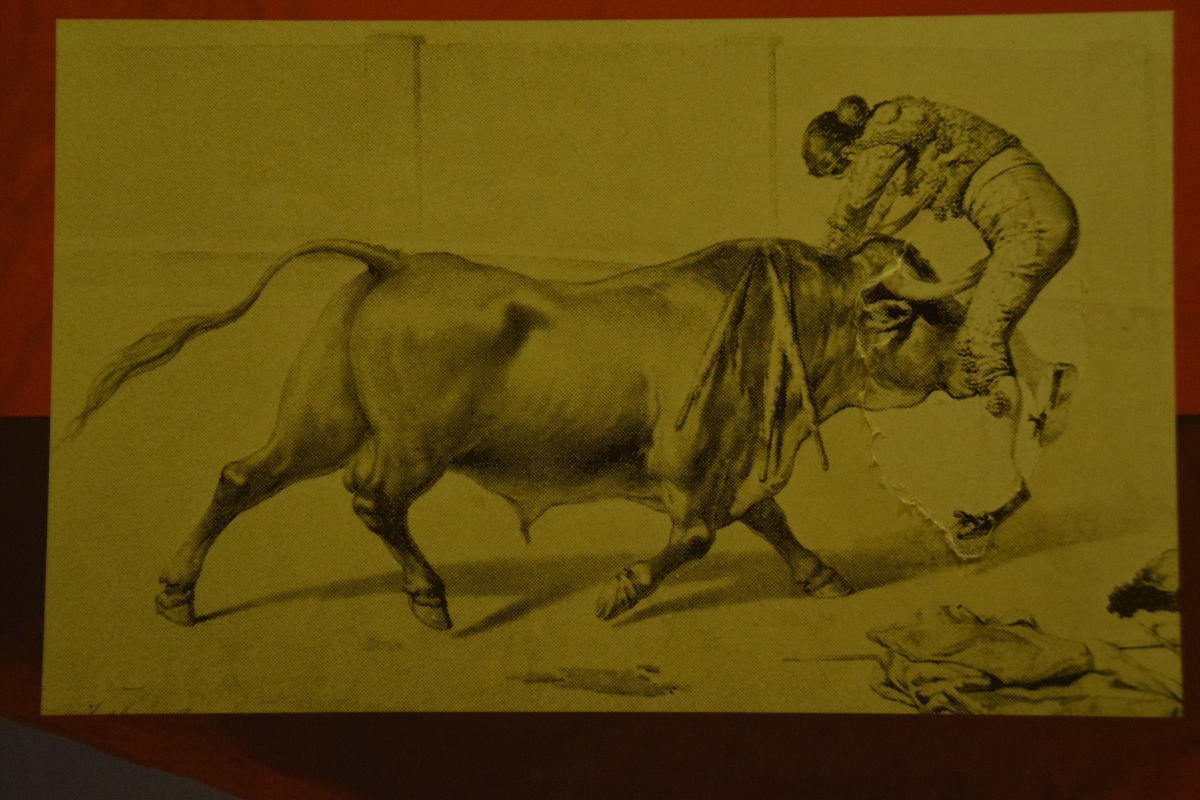
Continue north to the real attraction of Ronda and whole Andalusia, for the nostalgic but also for the curious of bullfighting and its history. The Arena of Plaza deToros still used after 200 years, is characterized by the intense yellow of its sand and hand-painted wooden balustrades that surround the 5000 seats. inside the Arena is the museum Taurino, a dip in the history of bullfighting. There you can learn more about the legend of bullfighting: Pedro Romero. His clothes are still stained with blood, a little macabre but rich in folklore. The fear and tension of this environment was also the subject of an ‘other work of Hemingway “Death at noon.”
Leaving the Plaza de Toros and still continuing to the north, relax and enjoy the wonderful scenery and the tranquility of Alameda del Tajo.
But what is the most interesting thing of Ronda? certainly its inhabitants, mainly gitanos who will welcome you with great familiarity and drag you in pleasant chats about their private lives, marriages, children, grandchildren, festivities, perhaps in front of a cool glass of tinto de verano. You will be enchanted by this fantastic and almost mythological place.
Setenil de las Bodegas
A country dug in the rocky walls of a plateau crossed by the river Rio Trejo
Cave houses complemented by beautiful white facades on the narrow streets. Terraces and natural shelters built into the rock and tunnel whose walls are the white walls of houses and the roof made of a overhanging rock.
Differenently from the other white villages, Setenil is built in Caves. On the border between the province of Cadiz and the province of Malaga, it is reachable from Ronda driving approx. 100km northward. it is s part of the characteric white villages ranging from Setenil to Arcos de la Frontera. In the past is served much to defend the Christian inhabitants of these areas by the Moorish in 1400 and now become attraction for tourists, many of those homes are now restaurants and bars in which you should keep an eye to understand what it was like to live in caves hundreds of years ago. Setenil is a beautiful place to discover on foot through its narrow streets, stopping to savor the great offering of its tapas bars, grilled meat, patatas bravas, followed by ice cold beer to drink in the shade of a cool shelter carved directly in the rock.
Gagliano Castelferrato originally Galaria, was founded in 1900 and was already inhabited in prehistoric times. It’s a place highly recommended to those who want to discover the less touristy but no less fascinating face of Sicily, especially for castles and good food lovers.
It is characterized by its fortress, of barbarian origin, with its many caves once inhabited by the monks of Agira, founded by St. Philip’s who left inside the castle numerous signs of their presence. The castle of Gagliano Castelferrato is fascinating due to its unusual shape . Around it are intertwined history and legend. Quoted by Cicero during his trip to Sicily, the castle resisted the assaults of the Arabs. Indeed, it was well defended by strong walls, towers carved into the rock, ditches and tanks. Inside has a number of spaces and rooms carved with a unique architecture in the rocky soil, with ventilation channels and lighting. Even the furniture was cut into the rock.
Gagliano Castelferrato is one of those places that deserves more appreciation but, remains isolated from the heavy flow of tourism. As many beautiful towns of the Sicilian countryside it still retain its authenticity and the true essence of a rural and unspoilt Sicily that seems to sleep quietly.
Talking about good food do not miss the prickly pear mostarda, the typical food of the people Gagliano.
Italiano
Comune italiano di 3.679 abitanti della provincia di Enna in Sicilia Anticamente chiamato “Galaria”, oggi Gagliano Castelferrato, fu fondata nel 1900 a.c. da MORGETE SICULO (re dei Sicani), e fu già abitata in epoca preistorica. Galaria raggiunse il suo splendore in epoca romana.
La Rocca di Gagliano, di origine barbarica, con le sue numerose spelonche fu abitata dai monaci di Agira, fondati da San Filippo che hanno lasciato all’interno del Castello numerosi segni della loro presenza. il Castello di Gagliano Castelferrato dall’insolita forma è ricco di fascino. Attorno ad esso si intrecciano storia e leggenda. Antichi documenti fanno pensare che nelle sue corti si accampassero, nel 263 a.C., le milizie dei consoli Attilio Grasso e M. V. Massimo dopo la conquista di Aderno e di Centuripe. Citato da Cicerone in occasione del suo viaggio in Sicilia, il castello resistettè a lungo agli assalti degli Arabi. Era infatti ben difeso, come scrive lo studioso Nicolò Brancatelli, da solide mura, da torri incavate nel vivo sasso, da dodici fossi e cisterne, diciassette spelonche e trenta aule. Interessanti gli ambienti ricavati nel sottosuolo roccioso con una straordinaria architettura, con canali di aerazione e di illuminazione. Lo stesso mobilio era ricavato nella roccia.
Gagliano Castelferrato è uno di quei luoghi che meriterebbe più valorizzazione ma che a causa della sua posizione geografica e della difficoltà nel raggiungerla, anche a causa dell’inefficienza delle strade, resta isolato rispetto al forte flusso turistico delle città costiere, come molti stupendi paesi dell’entroterra siciliano che però conservano ancora oggi la loro autenticità e la vera essenza incontaminata di una sicilianità rurale e agreste nella quale il tempo sembra essersi fermato.
Vivamente consigliato a chi vuole scoprire il volto meno turistico ma non meno affascinante della Sicilia, agli amanti dei castelli e della buona cucina.
Comune italiano di 3.679 abitanti della provincia di Enna in Sicilia Anticamente chiamato “Galaria”, oggi Gagliano Castelferrato, fu fondata nel 1900 a.c. da MORGETE SICULO (re dei Sicani), e fu già abitata in epoca preistorica. Galaria raggiunse il suo splendore in epoca romana.
La Rocca di Gagliano, di origine barbarica, con le sue numerose spelonche fu abitata dai monaci di Agira, fondati da San Filippo che hanno lasciato all’interno del Castello numerosi segni della loro presenza. il Castello di Gagliano Castelferrato dall’insolita forma è ricco di fascino. Attorno ad esso si intrecciano storia e leggenda. Antichi documenti fanno pensare che nelle sue corti si accampassero, nel 263 a.C., le milizie dei consoli Attilio Grasso e M. V. Massimo dopo la conquista di Aderno e di Centuripe. Citato da Cicerone in occasione del suo viaggio in Sicilia, il castello resistettè a lungo agli assalti degli Arabi. Era infatti ben difeso, come scrive lo studioso Nicolò Brancatelli, da solide mura, da torri incavate nel vivo sasso, da dodici fossi e cisterne, diciassette spelonche e trenta aule. Interessanti gli ambienti ricavati nel sottosuolo roccioso con una straordinaria architettura, con canali di aerazione e di illuminazione. Lo stesso mobilio era ricavato nella roccia.
Gagliano Castelferrato è uno di quei luoghi che meriterebbe più valorizzazione ma che a causa della sua posizione geografica e della difficoltà nel raggiungerla, anche a causa dell’inefficienza delle strade, resta isolato rispetto al forte flusso turistico delle città costiere, come molti stupendi paesi dell’entroterra siciliano che però conservano ancora oggi la loro autenticità e la vera essenza incontaminata di una sicilianità rurale e agreste nella quale il tempo sembra essersi fermato.
Vivamente consigliato a chi vuole scoprire il volto meno turistico ma non meno affascinante della Sicilia, agli amanti dei castelli e della buona cucina.
Positioned between the mountains of the Nebrodi natural park in the center of Sicily, between lush hills and the tip of the Etna volcano that dominates the landscape in the distance. A breath taking show in the hot summers and the fresh shiny winters.
Inhabited by the Giants, the Laestrygonians, by the Sicani and the Sicilians, conquered by the Greeks and by the Saracens and finally liberated by the Normans. His origin is fascinating as a fairy tale. In 1061 Troin was elected as capital of the norman principality Ruggero the 1st.
Muslims and Christians we have been able to live together here in peace and tolerance for many years.
Of its past remain the walls that surrounded the city and neighborhoods with a strong Arab influence, as Scalforio (from the Arabic: out of the walls).
Outside of the city center is the monastery of San Michele Nuovo, built during the presence of the Brazilian order of monks and yet full of charm and majestic though his rotten structure.
In 1943 during the Second World War Troina was the battle field between the US soldiers and a group of Germans entrenched in the town. The population had more than 100 dead and much of the town was reduced to rubble as shown in the photos of Robert Capa, internationally recognized as a proof of that violence. A copy of his photos can be seen in the museum “Torre Capitania”, which preserves also dress replicas of the norman period.
On the mountains near the village is it still possible to see the marks of the bombing and the protection shelters built up by the inhabitants.
Troina has to be enjoyed strolling through its narrow alleys, looking at the various late Baroque palaces from the 1500-1600.
Is it worth it to make a stop in the nearby dam of “Ancipa”, between the green hills of Sicily.
Do not miss the Festival of “Vastedda” where you can enjoy the typical “Vastedda co Sammucu”, a flat bread (focaccia) stuffed with cheese (Tuma) and a typical sausage of the Nebrodi area, flavored with elderflower. The festival is held in mid-June, a time when there is plenty of elder, and white flowers are very fragrant being the essential element for the good success of this dish.
Try also the “nfasciateddi” cookie baked in small pieces, consisting of a flour dough stuffed with cooked figs wine and sprinkled with chopped almonds. A real pleasure.
Italiano
Arroccata tra i monti del parco dei Nebrodi nel centro della Sicilia, tra colline rigogliose e la punta del vulcano Etna che in lontananza sovrasta il paesaggio. Uno spettacolo che ruba il fiato sia nelle torride estati del centro della Sicilia che negli inverni freddi ma sempre luminosi di vita.
Abitata dai Giganti, dai Lestrigoni, poi dai Sicani e dai Siculi, posseduda dai Greci, conquistata dai Saraceni e liberata infine dai Normanni. La sua nascita si confonde nei tempi da favola. Nel 1061 Troina fu eletta Capitale del principato normanno da RuggeroI
Musulmani e cristiani vi hanno saputo convivere nella pace e nella tolleranza per lunghissimi anni.
Del suo rigoglioso passato restano le mura che circondavano la città e i quartieri dalla forte influenza araba, come Scalforio (in arabo: fuori le mura).
Il convento di San Michele nuovo, fuori dal centro cittadino, eretto durante la presenza dell’ordine dei monaci brasiliani e ancora ricco di fascino e maestoso anche se costituito da semplici resti.
Durante la seconda guerra mondiale, nel ’43 Troina fu campo della battaglia tra soldati americani contro un nucleo di tedeschi arroccati in paese. La popolazione ebbe più di 100 vittime e gran parte del centro abitato fu ridotto in macerie come rappresentato nelle foto di Robert Capa, riconosciute internazionalmente e delle quali è possibile vedere delle copie nel museo della “Torre Capitania”, insieme a repliche di abiti del periodo normanno, utlizzati in manifestazioni popolari nel periodo estivo e ai quadri di pittori locali.
Sui monti vicini all’abitato è ancora possibile vedere i segni dei bombardamenti e gli inprovvisati rifugi della gente del paese.
Troina è da godere passeggiando per le vie dell’antico centro abitato, osservando i vari palazzi del tardo barocco del 1500-1600
Ne vale la pena fare una sosta nella vicina diga di Ancipa, immersa nel verde delle colline siciliane.
Da non perdere la Sagra della Vastedda in cui si può gustare la Vastedda co Sammucu, una focaccia di farcita con formaggio (tuma) e un salame tipico della zone e insaporita con fiori di sambuco. La sagra si organizza a metà giugno, periodo in cui c’è abbondanza di sambuco, i fiori bianchi e molto profumati sono elemento indispensabile per la buona riuscita di questo piatto.
Altro prodotto tipico sono gli “nfasciateddi” Biscotto da forno di piccola pezzatura, composto da un impasto di farina e farcito con vino cotto di fichidindia e cosparso di granella di mandorle. Un vero piacere per il palato.
Deutch
Positioniert auf die Bergen des Nebrodi Naturparks im Zentrum von Sizilien, zwischen sanften Hügeln und der Spitze des Vulkan Ätna, die die Landschaft aus der Ferne dominiert. Eine atemberaubende Show in den heißen Sommern und den frischen glänzenden Wintern.
Bei den Giants, den Laistrygonen, den Sicani dominiert, von den Griechen und den Sarazenen erobert und schließlich von den Normannen befreit. Ihre Ursprung ist faszinierend wie ein Märchen. In 1061 wurde Troin als Hauptstadt des normannischen Fürstentum bei Ruggero der Erste gewählt.
Muslime und Christen haben hier gemeinsam in Frieden und Toleranz für viele Jahre zusammengelebt.
Aus ihrer floriden Vergangenheit bleiben die Mauern, die die Stadt damals umgaben und die historische Stadtteile mit einem starken arabischen Einfluss, ein Beispiel dafür ist Scalforio (aus dem Arabischen: aus den Wänden).
Außerhalb des Stadtzentrums ist das Kloster von San Michele Nuovo, gebaut bei der brasilianischen Mönchsorden und doch voller Charme obwohl seine faulen Struktur.
Im Jahr 1943 während des Zweiten Weltkriegs Troina war das Schlachtfeld in dem US- und einer Gruppe von Deutschen-Soldaten gekämpft haben. Die Bevölkerung hatte mehr als 100 Tote gezählt und ein Großteil der Stadt wurde in Schutt und Asche verlassen, wie auf den Fotos von Robert Capa gezeigt. Eine Kopie seiner Fotos sind im Museum “Torre Capitania” bewährt, wo auch Kleiderrepliken aus der normannischen Periode bewahrt sind.
Auf den Bergen in der Nähe der Stadt ist es noch möglich, die Spuren der Bombardierung und die Schutzunterstände, die von den Bewohnern errichtet wurden zu sehen.
Am besten geniesst man Troina beim Bummel durch die engen Gassen umgeben bei den verschiedenen spätbarocken Paläste vom 1500-1600.
Es lohnt sich einen Ausflug zu dem nahliegenden Ancipa Deicht zu mache, zwischen den grünen Hügeln von Sizilien.
Das Fest der “Vastedda”ist nicht zu verpassen, wo Sie die typischen “Vastedda Co Sammucu” geniessen konnen, ein Fladenbrot (Focaccia) mit Käse (Tuma) und eine typische Wurst des Nebrodi gefüllt, mit Holunderblütengeschmack. Das Festival finder im Juni stat wann die weißen Blüten von frischem aromatischem Holunder, das wesentliche Element für das gute Gelingen dieses Gericht, ausblühen .
Probieren Sie auch die “nfasciateddi” Kekse in kleinen Stücken gebacken, bestehend aus Mehl Teig mit gefüllt mit Feigen Wein und bestreut mit gehackten Mandeln. Eine wahre Gaumengenuss.
From the Scala dei Turchi, Eraclea Minoa, Siculiana and the natural reserve of Torre Salsa in the province ofAgrigento to the castle of Falconara in the province of Caltanissetta. An unforgettable experience along the southern coast of Sicily.
ENGLISH
Scala dei turchi: Stairway of the Turks
Is one of the most surreal and unique places of Sicily, located on the coast, which starts from the town ofPorto Empedocle characterized by small beaches surmounted by a cliff in white marl, a sedimentary rock of limestone and clay, with its characteristic pure white color, on the seafront near the town of Realmonte. In August 2007 the province made an official request to the UNESCO to make this site, along with the villa aurea (Roman times), in the list of World Heritage sites.
The name of the Stairway of the Turks comes from its natural form smoothed by the wind over the centuries and from the incursions by Arab populations who, according to legend moored their ships in the waters of the marl bay which represented an excellent less windswept protected harbor.
The Stairway of the Turks is located approximately ten miles from the town of Porto Empedocle. In 2003, the municipality decided to adopt Vigata as the second name of the place, in homage to the main character of the novels of the Sicilian writer Andrea Camilleri: Commissario Montalbano.
Eraclea Minoa
The ruins of the ancient Greek city reported in the “Verrine” of Cicero can be found in the archaeological area of the roman town of Cattolica Eraclea in the province of Agrigento. Its name comes from Eracle and from the legend that King Minos chased Dedalo up to this place in Sicily to punish him for his help given to Ariadne and Theseus to go out of the Cretan Labyrinth. Minos would then have perished in these places by the hand of the a sican king. From the plateau on which are the ruins of the city and of the theater one can enjoy a wonderful view of the pine forest as part of the natural reserve of the river Platani and the blue color of the Mediterranean sea that breaks on the white cliffs of calcareous marl.
Siculiana
“The roofs siculiana impressed me for their cubistic impression”, wrote Moravia about this unusual town in the province of Agrigento.
Placed on a hill, on the road from Agrigento to Sciacca, characterized by a seventeenth-century church and a castle of Arab origin then rebuilt in the fourteenth century by Federico Chiaramonte, located in a quaint old town where tradition and the scent of dishes served by small restaurants pervade the air of this town that dominates the valley in front of the Mediterranean Sea. Strolling in relax through the narrow streets of the town, is surely one of the experiences to do in this place.
Siculiana stretches on the coast in the locality Torre Salsa, a regional natural reserve of special interest for its nature and environment, currently under the control of the WWF. Among the sand dunes of the coast live rare plant species and if one is lucky, it is also possible to encounter the rare turtles “Carretta Carretta”who chose on the white beach to lay their eggs.
Falconara
In the province of Caltanissetta is a town characterized by the Chiaramonte-Bordonaro castle built on a cliff overlooking the sea. Was originally a tower mainly used for the breeding of falcons, from which comes the name. Later passed to the prince Branciforte, becaming the present-day castle of Falconara. In the ‘800, the castle became the property of german Count Wilding who, struck by the beauty of the place, built an entire wing, with a large living room and a terrace overlooking the sea.
Nowadays it is also possible to spend the night inside the rooms of some wings of the castle, where one can soak up the unique atmosphere of a noble time.
DEUTSCH
Scala dei Turchi: Türkische Treppe
Ist ein surrealer und einzigartiger Ort in Sizilien.
Es liegt an der Küste, die vom Porto Empedocle beginnt, in der Nähe von Realmonte, gekennzeichnet durch Buchten und Klippen in weißen Mergel, ein Sedimentgestein aus Kalkstein und Ton mit seiner charakteristische reine weißen Farbe.
Im August 2007 wurde eine offizielle Anfrage an die UNESCO beantragt um diese Ort zusammen mit der in der Nähe liegende Villa Aurea (Römerzeit) in die Liste der UNESCO-Weltkulturerbe-Organisation aufzunehmen.
Der Name der Türkische Treppe kommt von seiner natürlichen Form, die der Wind über die Jahrhunderte geprägt hat, und von der Legende, dass arabische Bevölkerungen ihre Schiffen in den Gewässern vor der “Treppe”, eine hervorragende geschützten Hafen, verankert haben.
Die Scala dei Turchi ist etwa zehn Meilen vom Porto Empedocle entfernt. Im Jahr 2003 beschloss die Gemeinde,“Vigata” als zweiter Name des Ortes zu Erlassen um die Stadt der Hauptfigur der Romane von Andrea Camilleri,Kommissar Montalbano, zu widmen .
Eraclea Minoa
Die Ruinen der antiken griechischen Stadt befinden sich in der archäologischen Bereich von Cattolica Eraclea in der Provinz Agrigento. Der Name kommt von Eracle und der Legende, dass König Minos, Dädalus, der Ariadne und Theseus aus dem kreischen Labyrinth geholfen hatte, bis in Sizilien gejagt hätte um ihn zu bestrafen. Minos wäre dann an diesen Stellen durch die Hand des Königs sicano umgebracht. Aus dem Plateau, auf dem sich die Überreste der Stadt und das Theater befinden man kann einen herrlichen Blick auf der Naturgeschützte Pinienwald genießen.
Siculiana
Diese ungewöhnliche Stadt in der Provinz Agrigento, auf einem Hügel, auf dem Weg von Agrigento nach Sciacca gelegen ist durch eine Kirche des siebzehnten Jahrhunderts und einer Burg arabischen Ursprungs gekennzeichnet. Im vierzehnten Jahrhundert wurde dieser Burg von Federico Chiaramonte renoviert und umgebaut.
Siculiana ist eine malerische Altstadt, wo Tradition und Duft von Gerichte der kleinen Restaurants durchdringen die Luft dieses Ortes, der das Tal vor dem Blauen Mittelmeer beherrscht. Schlendern gemütlich durch die engen Gassen der Stadt, ist sicherlich eine der Erfahrungen, auf die ein paar Stunden zu widmen Wert sind.
Siculiana Küstenabschnitt befindet sich in der Ortschaft “Torre Salsa“, ein regionale Naturschutzgebiet von besonderem Interesse für die Natur und Umwelt, derzeit unter der Kontrolle des WWF. Unter den Sanddünen der Küste leben seltene Pflanzenarten, und wenn man Glück hat, werden auch die seltene Schildkröten “Carretta Carretta” begegnet, während sie auf dem weißen Strand kommen, um ihre Eier zu legen.
Falconara
In der Provinz Caltanissetta gelegen ist ein Land, das von Chiaramonte-Bordonaro Schloss auf einer Klippe über dem Meer gebaut beherrscht ist. Das war ursprünglich ein Turm für die Zucht von Falken, aus dem der Name “Falconara” kommt. Später wurde von Grafen Branciforte verwendet und in das heutige Falconara Schloss umgebaut. In der ersten 800, wurde das Schloss in den Besitz des deutschen Grafen Wilding, die von der Schönheit des Ortes geschlagen, einen ganzen Flügel, mit einem großen Wohnzimmer und einer Terrasse mit Blick auf das Meer baute.
Jetzt kann man auch im Inneren Flügel des Schlosses übernachten, wo man kann die echte Atmosphäre von einem edlen Zeit genießen.ESPAñOL
Scala dei Turchi
Es un lugar de los más surrealista y bonito de Sicilia, por no decir único. Se encuentra en la costa, que se inicia desde Porto Empedocle caracterizada por calas playa coronada por un acantilado en margas blanco, una roca sedimentaria de la piedra caliza y arcilla, con su característico color blanco puro, que está situado en el paseo marítimo cerca de Realmonte. En agosto 2007 se hizo una solicitud oficial a la UNESCO para que este sitio, junto con la Villa Aurea (época romana), se añade a la lista de Patrimonio Mundial de la UNESCO organización ONU. El nombre de la “Scala dei Turchi” proviene de su forma natural suavizada por el viento largo de los siglos y las incursiones de las poblaciones árabes que, según la leyenda amarraron sus barcos en las aguas de la escala que representaban un excelente puerto protegido y un poco azotada por el viento . La “Scala dei Turchi” se encuentra a unos quince kilómetros de Porto Empedocle. En 2003, el municipio decidió adoptar como el segundo nombre del lugar Vigàta, en homenaje al personaje principal de las novelas de Andrea Camilleri “Il Commissario Montalbano”.
Eraclea Minoa
De las ruinas de esta antigua ciudad griega informó por Cicerone en sus “Verrine” que entre civitates decumanae de Sicilia se pueden encontrar en la zona arqueológica de la Eraclea Cattolica en la provincia deAgrigento. El nombre proviene de Eracle y de la leyenda en la que el rey Minos de Creta persiguió Dedalo hasta Sicilia para castigarlo por su ayuda prestada a Ariadna y Teseo luchò en el laberinto. Minosse entonces habría encontrado su muerte en estos lugares por mano del rey Sicano en el que se habia escondido Dedalo. De la meseta en la que se encuentran los restos de la ciudad y el teatro hay que disfrutar de una maravillosa mirada del bosque de pinos que es parte de la reserva natural de “Fiume Platani” y el azul del mar Mediterráneo que rompe en los acantilados blancos de margas calcáreas.
Siculiana
Moravia habían escrito sobre esta ciudad inusual en la provincia de Agrigento: “los techos de siculiana me impresionaron por su cubistica impresión”. Situada en una colina entre Agrigento y Sciacca, está caraterizada por una iglesia del siglo XVII y un castillo de origen árabe y luego reconstruida en el siglo XIV por Federico Chiaramonte, situado en un pintoresco casco antiguo, donde la tradición y el aroma de platos que se puedan comer en los pequeños restaurantes impregnan el aire de este país que domina el Mar Mediterráneo. Pasear tranquilamente por las calles estrechas de la ciudad, es sin duda una de las experiencias a la que dedicar un par de horas. En la costa de Siculiana está situada la reserva natural de Torre Salsa, que tiene una naturaleza de especial interés y el medio ambiente, actualmente bajo el control de la WWF. entre las dunas de arena de la costa viven especies raras de plantas y si teneis suerte, también se encontraráis tortugas vagabundo que llega a la playa de arena blanca para desovar.
Falconara
Situada en la provincia de Caltanissetta es un país caracterizado por el castillo Chiaramonte-Bordonaroconstruido sobre un acantilado con vistas al mar. Era originalmente una torre utilizada principalmente para la cría de halcones, que es el nombre y más tarde pasó a los Principes Branciforte, se convirtió en el castillo falconara actual. En los primeros del 800, el castillo pasó a ser propiedad del Conde alemán Wilding Giorgio que, impresionado por la belleza del lugar, construyó un ala entera, con un gran salón y una terraza con vistas al mar. Ahora usted también puede permanecer en el interior en algunas alas del castillo, donde se puede disfrutar de la atmósfera de un tiempo noble.
ITALIANO
Scala dei Turchi
E’ un luogo tra i più surreali e particolari della Sicilia, per non dire assolutamente unico.
Si trova sulla costa, che parte da Porto Empedocle, caratterizzata da calette di spiaggia sormontate da una falesia in marna bianca, una roccia sedimentaria di natura calcarea e argillosa, dal caratteristico colore bianco puro, che si erge sul mare nei pressi di Realmonte. nell’agosto del 2007 è stata presentata all’UNESCOuna richiesta ufficiale affinché questo sito, insieme alla Villa Aurea (di epoca romana), sia inserito nell’elenco dei patrimoni dell’umanità dell’organizzazione dell’ONU.
Il nome della scala dei turchi viene dalla sua naturale forma levigata dal vento nel corso dei secoli e dalle incursioni da parte di popolazioni arabe che, secondo la leggenda ormeggiavano le loro navi nelle acque della scala che rappresentava un ottimo approdo protetto e poco battuto dai venti.
La scala dei turchi si trova a circa una decina di km da Porto Empedocle. Nel 2003 il comune ha deciso di adottare Vigata come secondo nome della località, in omaggio al personaggio protagonista dei romanzi di Andrea Camilleri: il commissario Salvo Montalbano.
Eraclea Minoa
Le rovine dell’antica città greca riportata nelle Verrine di Cicerone tra le Civitates Decumanae della Sicilia romana si trovano nell’area archeologica di Cattolica Eraclea in provincia di Agrigento. Il nome deriva da Eracle e dalla leggenda secondo cui il re cretese Minosse avrebbe inseguito dedalo fino in Sicilia per punirlo del suo aiuto dato ad Arianna e Teseo alle prese con il labirinto. Minosse avrebbe poi trovato la morte proprio in questi luoghi per mano dello stesso re sicano presso cui Dedalo si era rifugiato. Dall’altopiano in cui si trovano i resti della città e del teatro è possibile godere di un meraviglioso panorama sulla pineta facente parte dell’area naturale protetta del fiume Platani e sull’azzurro del mar mediterraneo che si infrange sulle bianche scogliere di marna calcarea.
Siculiana
“I tetti di siculiana mi hanno colpito per la loro impressione cubistica”, aveva scritto Moravia su questa singolare cittadina in provincia di Agrigento.
Adagiata su una collina, sulla strada che va da Agrigento a Sciacca, e’ caratterizzata da una chiesa seicentesca e un castello di origine araba poi ricostruito nel secolo XIV da Federico Chiaramonte, situati in un caratteristico centro storico in cui la tradizione e il profumo dei piatti serviti dai piccoli ristoranti pervadono l’aria di questo paese che domina dall’alto la vallata bagnata dal mar mediterraneo. Inoltrarsi passeggiando senza fretta per le strette vie del centro abitato, è sicuramente una delle esperienze a cui dedicare un paio di ore.
La costa di Siculiana si estende nella localita’ Torre Salsa, una riserva naturale regionale di particolare interesse naturalistico e ambientale, attualmente sotto il controllo del WWF. Tra le dune sabbiose del litorale vivono rare specie vegetali e se si ha fortuna sarà possibile anche incontrare le rare tartarughe Carretta Carretta che arrivano sulla bianchissima spiaggia per deporre le loro uova.
Falconara
In provincia di Caltanissetta è un paese caratterizzato dal castello Chiaramonte-Bordonaro costruito su una scogliera a ridosso del mare. in origine era una torre utilizzata principalmente per l’allevamento dei falconi, da cui viene il nome e in seguito, passata ai principi Branciforti, divenne l’odierno castello di Falconara. nei primi dell’800 il castello divenne proprietà del conte tedesco Giorgio Wilding che, colpito dalla bellezza del luogo, edificò un’intera ala, con un grande salone ed un terrazzo a picco sul mare.
Oggi è possibile anche pernottare all’interno di alcune ali del castello, dove è possibile respirare l’atmosfera nobiliare di una volta.
Just any sicilian wife has his own recipe for the arancine (or arancini), fried rice balls coated with breadcrumbs, usually filled with ragù (meat sauce), tomato sauce, mozzarella cheese, and peas. The name derives from their shape and color, which remembers the form of an orange, typical fruit of Sicily. In italian arancina means “little orange”.
Arancini can be of several tastes: con burro (béchamel sauce), con funghi (mushrooms), con pistacchi (pistachios), or con melanzane (eggplant).
If you ever travel in the very south of italy you will certainly experience to cross the Messina strait.
The 3.1 km wide water corridor separates Sicily from the Italian peninsula. It is a must do experience even only for a one day trip.
This path once crossed by ancient Phoenician and Greek ships, in the aim to spread their power and grow their wealth has seen myriads of sicilians going to find better luck in the North carrying their heavy luggages on board of packed trains, looking with huge melancholy at their island slowly disappearing at their backs. Of course many of them returned several times back to their home towns, but the feeling of leaving their island will pervade their souls even if they are going away for holiday. Such a strong relationship have Sicilians with their roots, and maybe only them can understand it well.
If you have time and a strong stomach you should take the chance to enjoy the cue at the small bars on the deck and taste the famous arancini (or arancine): deep fried rice balls coated in breadcrumbs and filled wit ragù and cheese. The legend tells the ones you get on the ferry be the best in all Sicily. Even if we can’t assure it why don’t you put it in your to do list in Sicily.
Take a wealthy man and his wife bound by their passion for contemporary social art and life, and put them in Favara, their small native town close to the greek temple city of Agrigento in Sicily, and you obtain one of the places that makes the world different. A vision becomes reality in the crumbling decadent neighborhood known as the “sette cortili” (seven courtyards), built up on the old layout of an arabic Kasba in the center of Favara. It becames a wonderful and innovative place attracting contemporary art enthusiasts and numerous tourists from all over the world. Walking along the seven courtyards, huddled with white painted and cheerfully decorated small buildings, one feels as pulled from one dimension to the other, from a vintage shop to a tiny biological garden amid the buildings, from a video art exhibition to a innovative design room just behind the corner.
You should be only curious enough to discover all the surprises hidden in the several show rooms open on the narrow streets where once women used to chat about each other private businesses and gossip on other’s affairs (a sort of antique social network).
Absolutely worth is to dedicate a reasonable amount of time to visit one of the toilets, especially the one where the Stanford University speech of Steve Jobs is thrown on the wall just in front of the w.c., for the benefit of your 10m motivational growth. You can recognize it by the quote “stay hungry, stay foolish” printed on the entrance wall.
The Farm Cultural Park is an initiative to focus everyone’s attention on the importance of social art to support the rebirth of towns too small and to still to survive the financial and moral value crisis of these years. It should be taken as an example for all the other several places that only wait to be exploited and led to a creative way to live the present making the future better than even imagined.
As displayed on the home page of the cultural park, this is simply “a place that makes you happy” so be happy and enjoy the Foot Ontheway tribute to the Farm Cultural Park of Favara, a corner of better world.

 Foot Ontheway Travel Vlog